Where to Go Skiing in Narkanda (Top Snow Slopes Explained)
If you want to try skiing in Himachal without big crowds or confusing ski maps, Narkanda is a great choice. It feels more like a quiet hill town with snow than a big resort, which is exactly why many people like it.
Most visitors have one simple question: once you reach Narkanda, where do you actually go skiing in Narkanda? The good news is that the area is compact and easy to understand. There is one main ski hill near Dhomri and Hatu, with beginner practice patches and slightly steeper sections all on the same slope.
This guide walks you through each main area, who it suits, what the snow feels like, and how to plan a relaxed ski day. Think of it as your simple, no-jargon plan for a short winter break in the hills.
Understanding Skiing in Narkanda (Before You Hit the Slopes)
Where Narkanda Is Located and Why It Is Good for First-Time Skiers
Narkanda sits at about 2,700 meters on the Hindustan-Tibet road, around 60 kilometers from Shimla. The drive usually takes 2 to 3 hours, so many people visit as a short side trip from Shimla or Kufri.
The town is small and calm, which means shorter queues and a more personal feel. The ski areas are close to the road, the terrain is mostly gentle, and there are local instructors who are used to teaching complete beginners. If you feel nervous about skiing, Narkanda gives you a soft landing instead of a shock.
Best Time to Visit Narkanda for Reliable Snow
The main snow season runs from late December to early March. In late December, you might find fresh snow, but coverage can be uneven in some years.
January usually offers the most reliable snow, with cold nights that keep the surface firm. February often has great skiing too, with slightly warmer days that feel more comfortable on the slope. By March, the snow can turn patchy or slushy on sunny afternoons, especially at the lower sections.
Always check recent weather reports, local tourism updates, or call a ski operator a few days before you travel, so you know what to expect.
Top Ski Slopes in Narkanda and Who They Are Best For
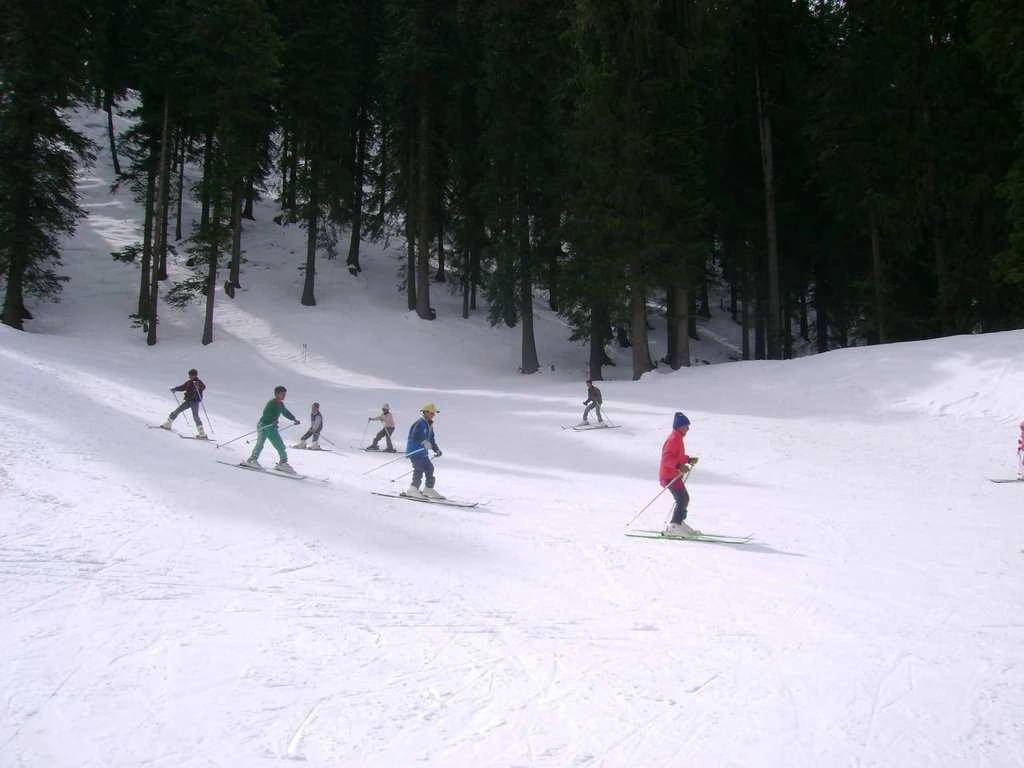
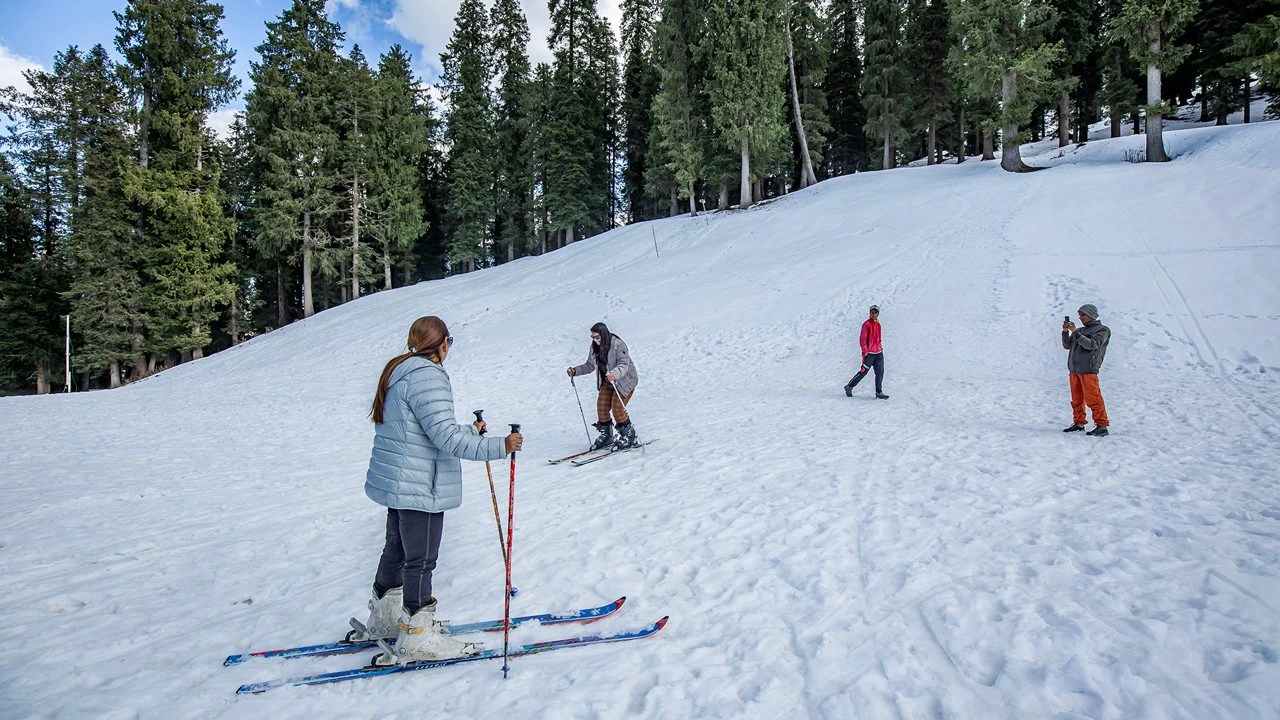
1. Primary Narkanda Ski Slope Near Dhomri: The Classic Hill for Most Visitors
The primary Narkanda ski slope, accessed near Dhomri, which is hardly 500m Trek away from Main Narkanda market, is where most tourists spend their ski day. Picture a wide, open hillside facing the sun, with pine forests around and long views of distant peaks on a clear day.
The slope itself is a few hundred meters long with a steady, moderate gradient. It is gentle enough for new skiers after a lesson, but still feels like a 'real' run once you start linking turns. Local tourism staff and HPTDC-linked instructors usually handle gear rentals and basic lessons right near the starting point.
Weekends, New Year, and national holidays can feel busy, especially late morning. If you like calmer snow and less waiting, reach the slope early. Morning snow is usually firmer and smoother, so your skis glide better and you feel more in control.
2. Sidhpur Adventure Valley (Fun Snow Activities)
Location & Vibe:
Located in Sidhpur area of Narkanda, Sidhpur Adventure Valley is a popular adventure sports spot especially in winter which is 7km away from Narkanda.
Activities & Features:
- Snow-based fun like zip-lining, sledging, snow slides and play areas when snow is present.
- Plenty of space to enjoy being in the snow — often described by visitors as an enjoyable stop for families and friends.
- Snow gear rental available on site (but often pricey).
Visitor Experience:
Travellers often mention snow all around, numerous fun activities and a relaxed atmosphere where you can spend several hours.
Best Time to Visit:
Winter months when snow has settled — typically Dec–Feb — are best for adventure valley activities.
3. Hatu Snow Sports and Hatu Peak Snow Fun (Skiing & Winter Playground)
Hatu Snow Sports Narkanda is a dedicated winter-sports center, 4KM from the narkanda on the way to hatu peak area, a bit higher up from Narkanda where snow remains longer and the setting is more alpine. In winter (typically December to February), the town and nearby Hatu slopes are covered in snow, turning it into a winter adventure hub with skiing and snow-play activities.
What to Expect:
- Snowy slopes accessible right near the town — ideal for first-timers and families.
- Skiing opportunities: Official ski zones with gear rentals and guides available; beginners can learn to ski with instructors.
- Snowball fights, snow walks, snowboarding, and simple winter fun on gentle slopes.
- Best time: Peak snowfall and ideal snow conditions are usually from mid-December through February/March.
Why It's Special:
Narkanda is one of India's older ski spots near Hatu , with a history of winter sports that draws both novice and intermediate snow lovers.
Tip: Local operators offer short skiing sessions (1–2 hrs) with gear and instructor support — great for a day trip. You can also book your slots online on Official site of Atal Bihari Vajpayee Institute of Mountaineering and Allied Sports.
This spot is often combined with a visit to Hatu Peak (3,400 m) — a popular viewpoint and sometimes snowy summit that offers sweeping Himalayan panoramas and a chance to enjoy snow at higher altitudes
Snow Conditions and What Each Slope Feels Like Under Your Skis
Snow in Narkanda changes texture through the day. Early morning often brings firm, compact snow that feels a bit slippery under your skis. Your edges bite into it, and you move faster with less effort.
By late morning and early afternoon, sun-exposed parts of the slope soften. The surface can feel like slightly wet sugar, slower but easier for beginners who do not want sudden speed. On warmer days, the bottom sections can get slushy, which feels heavy and tiring on your legs.
Shady spots near trees or along the edge can hold icier patches. Your skis may chatter a little there, so keep your weight balanced and your knees soft. After a fresh snowfall, the slopes feel soft and forgiving, but road access can be slower, so plan more time to reach Dhomri.
Planning Your Ski Day in Narkanda: Lessons, Gear, and Local Tips
Ski Rentals and Lessons: How to Get Started on the Slopes
Most visitors rent skis, boots, and poles from small shops in Narkanda town or from HPTDC-linked centers near the main slope. You rarely need to carry your own gear unless you already own it and care a lot about fit.
If you are new to the sport, take at least a half-day lesson. In that time, an instructor usually covers how to stand, slide, stop, turn, and ride safely in a small area. You also learn how to carry and wear your gear without pain, which makes the rest of the day more fun.
Prices change with the season, weekends, and holiday demand. Before you leave home, call your hotel, a local shop, or HPTDC to check current rental and lesson rates, so you can plan your budget.
What to Wear, Safety Basics, and Simple On-Slope Etiquette
Good clothing makes the difference between a fun day and a freezing one. Aim for:
- A warm base layer and mid-layer
- A waterproof jacket and pants
- Waterproof gloves
- Sunglasses or goggles
- Sunscreen and lip balm
- Thick, warm socks
On safety, always follow your instructor's advice and stay within marked or commonly used areas. Avoid stopping in the middle of narrow parts of the slope, since people above may not see you in time. Keep an eye on changing weather and head down if fog, heavy snow, or strong wind moves in.
For simple etiquette, give learners extra space and do not cut across someone's path when they are already coming downhill. A little patience keeps the mood friendly on a small hill like Narkanda.
Conclusion
Narkanda is a beginner-friendly ski spot where you do not need to deal with big resort stress. The main Dhomri slope, paired with its nearby training patches, covers almost everything a first-time or casual skier needs.
If you are looking for place for your Narkanda Stay then Boonies is your best Choice. Boonies is Considered as one of the Best Places to Stay in Narkanda. People have statedin reviews for boonies as the best Hill Top Resort Narkanda.
If you are new, stick to the gentle practice runs with an instructor until you can stop and turn with ease. If you feel more confident, explore the slightly steeper parts of the main hill for a longer, more flowing ride.
Check the latest snow report, pack your warm layers, and plan a short winter break. Your first or next ski run in Narkanda might be simpler, calmer, and more fun than you expect.
Shimla café Hopping
Best Cafes in Shimla: 6 Cafes for Coffee & Food | Boonies
Table of Contents
Recent Blogs
Best Cafes in Shimla: 6 Cafes for Coffee & Food | Boonies
Places to Visit in Shimla: Historical & Scenic Attractions | Boonies
Manali’s Most Instagrammable Cafés You Must Visit
Best Places to Visit in Manali for Nature, Temples, and Views
Where to Eat, Chill, and Work: The Best Cafes in Jibhi